


Acne treatment seems straightforward on the surface. You have breakouts. A dermatologist prescribes medication and treatments. But the reality is more nuanced. Not every dermatologist is equally skilled at acne management. The difference between a dermatologist who treats acne as one of many conditions and one who specializes in complex acne cases is significant. This difference affects whether your acne finally clears or whether you spend years cycling through treatments that don’t work.
Understanding what separates an excellent acne specialist from a general dermatologist helps you choose the right person for your specific situation. Acne varies widely: mild comedonal acne, inflammatory papular acne, severe cystic acne, hormonal acne, resistant acne, and acne with significant scarring. Each type benefits from different approaches. A specialist in acne knows how to match treatment to your specific acne type rather than applying a generic protocol.
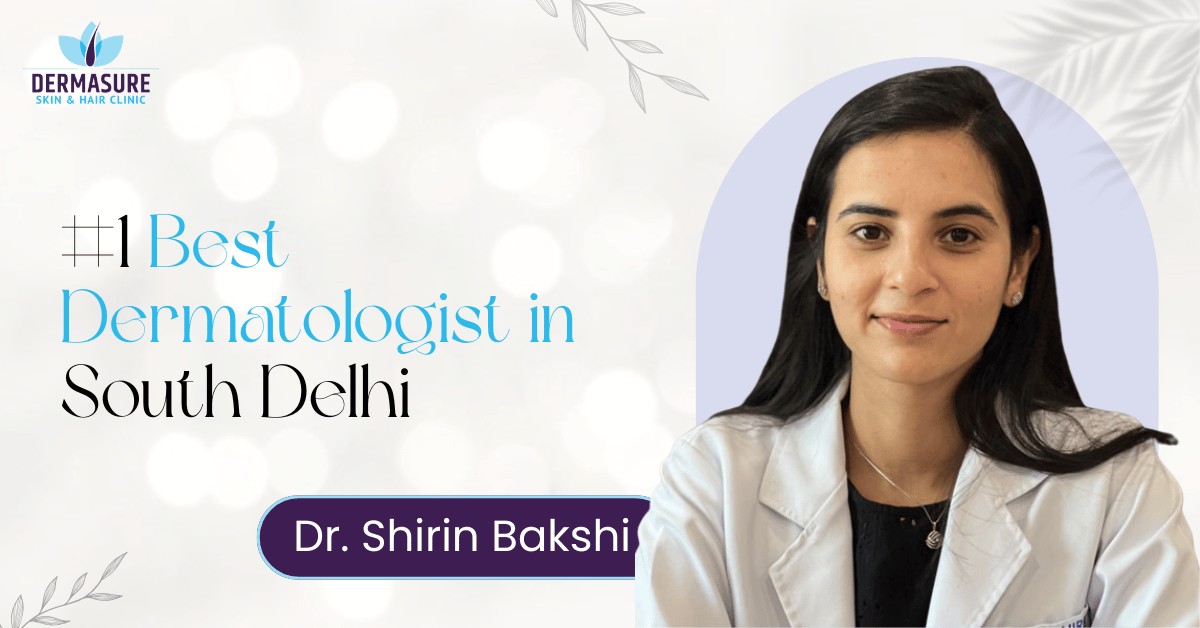
Dr. Shirin Bakshi, MD, at DermaSure Skin & Hair Clinic in South Delhi, specializes in comprehensive acne management, including professional acne treatments and advanced dermatological approaches. Her expertise in treating diverse acne presentations from mild to severe, combined with access to multiple treatment modalities, reflects the depth of specialization that distinguishes an excellent acne specialist.
How Acne Varies and Why This Matters for Treatment
Acne isn’t one condition. Comedonal acne involves mostly blackheads and whiteheads with minimal inflammation. These respond well to topical exfoliants and retinoids. Inflammatory acne involves red, tender papules and pustules. These need antibacterial and anti-inflammatory treatment. Cystic acne involves large, painful deep nodules. These often require oral medication or advanced treatment.
Hormonal acne triggered by androgens or irregular cycles presents a specific pattern and benefits from hormonal management alongside topical or systemic treatment. Resistant acne doesn’t respond well to standard treatments. This might indicate a different underlying cause that needs investigation. Acne with significant scarring needs acne treatment paired with scar treatment.
A general dermatologist might recognize these variations. An acne specialist understands the nuances deeply and knows exactly how to manage each type. They’ve treated hundreds of cases of each type and know what works and what doesn’t for specific presentations.
What Separates an Acne Specialist From a General Dermatologist
A general dermatologist treats acne alongside fractures, cosmetic procedures, hair conditions, and many other dermatological issues. Their acne expertise is divided among these many areas. An acne specialist focuses primarily on acne, dedicating their expertise to understanding the condition deeply.
Volume matters significantly. An acne specialist sees far more acne cases annually than a general dermatologist. This volume creates experience with unusual presentations, resistant cases, and complications. The specialist has encountered situations that a lower-volume practitioner hasn’t faced and knows how to handle them effectively.
Training matters too. Board certification in dermatology is a baseline. Additional training in acne management, leadership roles in acne research or education, and continuing education in advanced acne treatments distinguish specialists from generalists.
What Advanced Acne Treatment Options Actually Involve
Beyond standard topical treatments and oral antibiotics, advanced acne specialists access treatments that general dermatologists might not use regularly. Chemical peels designed for acne penetrate deeply and clear bacteria while improving skin texture. Laser therapy targets sebaceous glands, reducing oil production, and kills acne bacteria while reducing inflammation. Light-based therapies use specific wavelengths to kill bacteria and reduce inflammation.
For hormonal acne, specialists coordinate with gynecologists on hormonal management. For resistant acne, they might use isotretinoin, a powerful medication requiring careful monitoring but highly effective for severe acne. They understand when each treatment is appropriate and how to combine approaches for maximum effectiveness.
At DermaSure Skin & Hair Clinic in South Delhi, Dr. Shirin Bakshi has access to comprehensive treatment options and uses them strategically based on your specific acne type and circumstances.

Understanding Your Acne Before Choosing a Specialist
Before seeking an acne specialist, understanding your acne helps you ask informed questions. When did it start? What triggers it? How severe is it? Have you tried previous treatments, and how did you respond? Are you experiencing scarring? Is your acne concentrated in specific areas or widespread? Do you have other health conditions that might affect acne management?
These details matter because they guide what type of specialist is appropriate for you. Someone with mild comedonal acne might do fine with a general dermatologist. Someone with severe, resistant, hormonally influenced cystic acne with significant scarring benefits from true acne specialization.
The Consultation That Actually Assesses Your Acne Properly
A good acne specialist consultation is thorough. They examine your acne in detail, noting the types of lesions present, their distribution, severity, and any scarring. They ask detailed questions about triggers, previous treatments, hormonal history, and your daily routine. They listen to your concerns about how acne is affecting you emotionally and socially.
The consultation includes a clear explanation of what’s causing your acne specifically, not generic information. The treatment plan is tailored to your acne type and circumstances, not a standard protocol applied uniformly. If your acne is hormone-related, the plan addresses hormones. If it’s resistant, the plan addresses resistance. If scarring is present, the plan includes scar management.
Dr. Shirin Bakshi’s consultations at DermaSure Skin & Hair Clinic are known for being thorough, addressing individual acne presentations specifically rather than applying generic treatments.
How Long Does Acne Treatment Actually Take
Timeline varies based on acne severity and how your skin responds. Mild acne often improves within 6 to 8 weeks of appropriate treatment. Moderate acne typically takes 8 to 12 weeks for significant improvement. Severe acne might take 3 to 6 months or longer for substantial clearing.
Understanding realistic timelines helps you stick with treatment. If you’re expecting complete clearing in 2 weeks, you’ll be discouraged. If you understand that acne improvement is gradual and that continued consistency matters, you can appreciate the progress happening.
Preventing Acne Recurrence After Clearing
Patients with a history of resistant acne sometimes stay on a maintenance version of advanced acne treatment even after their skin has cleared.
Once acne clears, the goal is to prevent recurrence. This involves understanding and managing triggers: stress, hormonal fluctuations, dietary factors, or other influences specific to your acne. Maintenance treatment might involve periodic professional treatments or ongoing topical care to prevent flare-ups.
An acne specialist doesn’t just clear your current acne. They help you understand your acne triggers and manage them to prevent future breakouts.
Conclusion
The best acne specialist in South Delhi is someone who specializes in acne management, has significant experience with diverse acne presentations, offers multiple treatment modalities, and takes time to understand your specific situation. Finding this person eliminates years of ineffective treatment cycles.
Frequently Asked Questions
How do I know if I need an acne specialist or if a general dermatologist is sufficient?
If you have mild to moderate acne that responds reasonably well to standard treatments, a general dermatologist works fine. If you have resistant, severe, hormonally influenced, or scarring acne, an acne specialist is more appropriate.
Can acne be completely cured, or will it always return?
Acne can be controlled and cleared, but the tendency to develop it might persist if triggers remain. Once cleared, maintenance and trigger management prevent recurrence in most cases.
How much does acne treatment cost?
Cost varies based on treatment type and severity. Advanced treatments cost more than basic treatments. During consultation at DermaSure Skin & Hair Clinic, Dr. Shirin Bakshi discusses treatment options and costs clearly.
Will acne treatment leave my skin damaged or with side effects?
Modern acne treatments are designed to be safe. Some cause temporary dryness or sensitivity. Serious side effects are rare when treatments are appropriate and monitored properly.
CTA
Schedule a consultation with Dr. Shirin Bakshi at DermaSure, South Delhi