

Overview
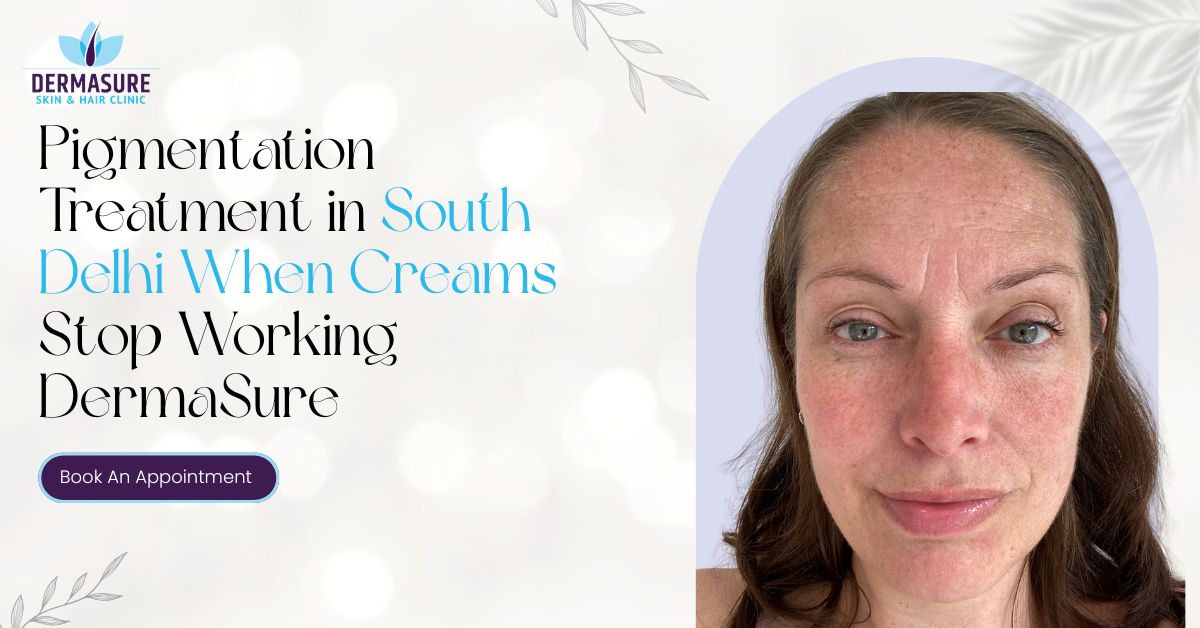
You have tried the serums. The vitamin C, the niacinamide, and the kojic acid cream, a friend swore by. Some of it helped a little. None of it actually got rid of the dark spot you have been staring at in the mirror for the last year.
This is one of the most common frustrations dermatologists hear, and the reason is almost always the same. Dark spots are not one thing. There are several different conditions that look similar on the surface but sit at different depths in the skin and respond to completely different pigmentation treatment approaches. Treating all of them the same way is why so many people feel like nothing works.
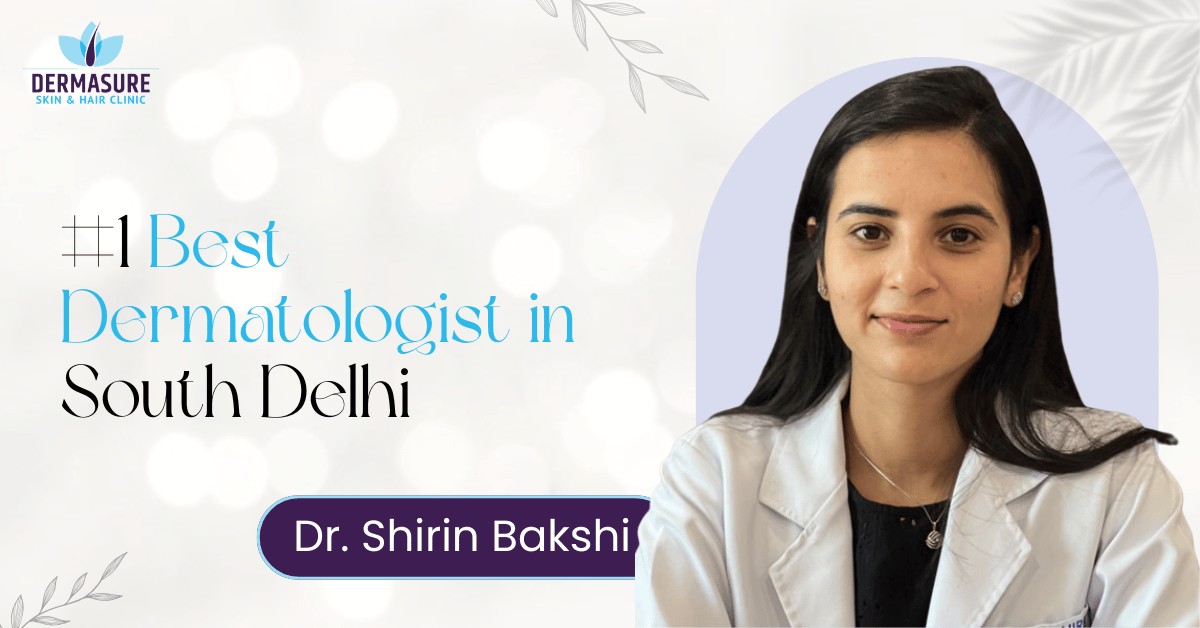
At Dermasure Clinic in South Delhi, Dr Shirin Bakshi starts every pigmentation case by identifying exactly what type of dark spot is present before recommending anything. That distinction is what actually determines whether treatment succeeds or just adds another product to the pile that did not work.
Why Do Dark Spots Look the Same But Behave So Differently?
All dark spots involve excess melanin, the pigment that gives skin its colour. But where that melanin sits, what triggered it, and how deeply it has settled into the skin vary enormously between conditions. A treatment that works brilliantly on a surface sun spot can do almost nothing for melasma sitting deeper in the dermis.
This is the single biggest reason people feel like their pigmentation treatment failed. It rarely failed. It was the wrong treatment for the type of pigmentation they actually had.
What Are the Different Types of Dark Spots in Delhi?
Sun spots or solar lentigines form from years of UV exposure and sit relatively close to the skin surface. They are flat, well-defined, and usually appear in areas with the most sun exposure, the face, hands, and forearms. Delhi’s intense sun for most of the year makes these extremely common.
Post-inflammatory hyperpigmentation develops after the skin has been through some kind of inflammation, acne, an injury, a burn, or even an aggressive facial. The dark mark is the skin’s response to that inflammation rather than sun damage, and it can appear anywhere the original irritation occurred. This is one of the more common reasons people search for hyperpigmentation treatment in Delhi after a breakout has cleared.
Melasma is a different category entirely. It is driven by a combination of hormones and UV exposure, sits deeper in the skin, often appears in symmetrical patches on the cheeks, forehead, and upper lip, and is notoriously more resistant to treatment than other forms of pigmentation. It is also far more prone to recurring if sun protection is not maintained consistently, which is why melasma treatment in Delhi is approached differently from other dark spots.
Freckles are genetic, and while they darken with sun exposure, they behave differently from acquired pigmentation and respond to a more specific set of treatments.

Why Does Identifying the Type Actually Matter for Treatment?
Because the depth and cause of the pigmentation determine which treatment can actually reach it and resolve it without making things worse.
A chemical peel that effectively lightens a surface sun spot may barely touch melasma because the pigment sits too deep in the dermis for a surface peel to access. Conversely, an aggressive laser setting appropriate for sun spots can actually trigger more melanin production if used carelessly on melasma, making the pigmentation worse rather than better. This is a genuinely common mistake when pigmentation is treated without a proper diagnosis first.
At Dermasure, a proper skin assessment using clinical examination, sometimes alongside a Wood’s lamp to determine how deep the pigment sits, happens before any treatment plan is built.
What Treatments Actually Work for Each Type?
For sun spots and post-inflammatory marks, chemical peels using glycolic, lactic, or kojic acid are highly effective because the pigment is accessible at a surface level. Laser treatment for pigmentation using Q-Switch Nd: YAG technology breaks down the concentrated melanin in these spots directly and produces visible fading within a few sessions.
For melasma, treatment is more conservative and layered. Aggressive lasers are often avoided because of the risk of triggering more pigmentation. Instead, a combination of carefully selected topical agents, gentler chemical peels, strict sun protection, and sometimes hormonal evaluation forms the basis of management. Melasma is managed rather than cured in most cases, meaning ongoing maintenance is part of the realistic plan rather than a one-time fix.
For freckles, laser treatment is generally effective since they sit at a more predictable depth, though results vary based on how genetically driven the pigmentation is.
How Long Does Pigmentation Treatment Actually Take?
This is where patience genuinely matters. Surface pigmentation, like sun spots and post-inflammatory marks, typically shows visible improvement within 3 to 6 sessions over 6 to 8 weeks. Melasma takes considerably longer, often several months of consistent treatment, and even then, full resolution is not always achievable. Managing expectations honestly at the outset is part of what makes treatment at Dermasure feel different from places that promise fast, dramatic results regardless of what type of pigmentation is actually present.
Why Does Sun Protection Matter More Than People Think?
This is the part most people underestimate. Every type of dark spot, regardless of treatment, can return or worsen with continued unprotected sun exposure. In Delhi, where UV exposure is significant for most of the year, daily SPF is not optional if pigmentation treatment is going to produce lasting results. Dermasure builds sun protection guidance into every pigmentation treatment plan because skipping it undermines even the most advanced clinical treatment.

When Should You See a Dermatologist Rather Than Keep Trying Products at Home?
Consider booking a consultation if a dark spot has been present for more than a few months without fading, if it appears to be spreading or getting darker, if it follows a symmetrical pattern across the face, or if you have tried multiple over-the-counter products without any meaningful change. Finding the best dermatologist for pigmentation in Delhi at this stage matters more than trying another generic product. You can read more about pigmentation and dark spot treatment options at Dermasure or explore the full range of aesthetic dermatology services available.
Conclusion
Dark spots in Delhi are not a single condition with a single fix. There are several different things that happen to look similar, and treating them all the same way is why so many people feel stuck despite trying everything. A proper diagnosis that identifies exactly what type of pigmentation is present is what separates treatment that actually resolves the issue from another product that fades into the long list of things that did not work.
Frequently Asked Questions
Q. How do I know if my dark spot is melasma or sun damage?
Melasma typically appears in symmetrical patches on the cheeks, forehead, and upper lip and is often linked to hormonal changes. Sun spots tend to be more isolated, well-defined, and appear in areas with the most cumulative sun exposure. A proper dermatologist assessment confirms which one you have.
Q. Can dark spots be permanently removed?
Surface pigmentation, like sun spots and post-inflammatory marks, can often be significantly faded or resolved with the right treatment. Melasma is more often managed long-term rather than permanently eliminated, with maintenance and strict sun protection needed to keep it controlled.
Q. Is laser treatment safe for pigmentation on Indian skin?
Yes, when performed by an experienced dermatologist using settings appropriate for the specific type of pigmentation and skin tone. Incorrect laser settings, particularly on melasma, can worsen pigmentation, which is why proper diagnosis before treatment matters.
Q. How many sessions does dark spot treatment usually take?
Surface pigmentation typically responds within 3 to 6 sessions over 6 to 8 weeks. Melasma requires a longer, more gradual approach, often spanning several months with ongoing maintenance.