
Pigmentation Treatment in South Delhi: Why Over-the-Counter Creams Stop Working and What Comes Next
Overview
You’ve probably tried a cream with a promising ingredient list, seen genuine improvement in the first few weeks, and then watched progress stall completely. The cream keeps getting used out of habit more than hope, while the patch just sits there. This isn’t a failure of willpower. It’s usually a sign the treatment was never matched to the actual type of pigmentation to begin with, and this piece breaks down why that mismatch happens so often and what actually addresses it.
Not All Dark Spots Are the Same Condition
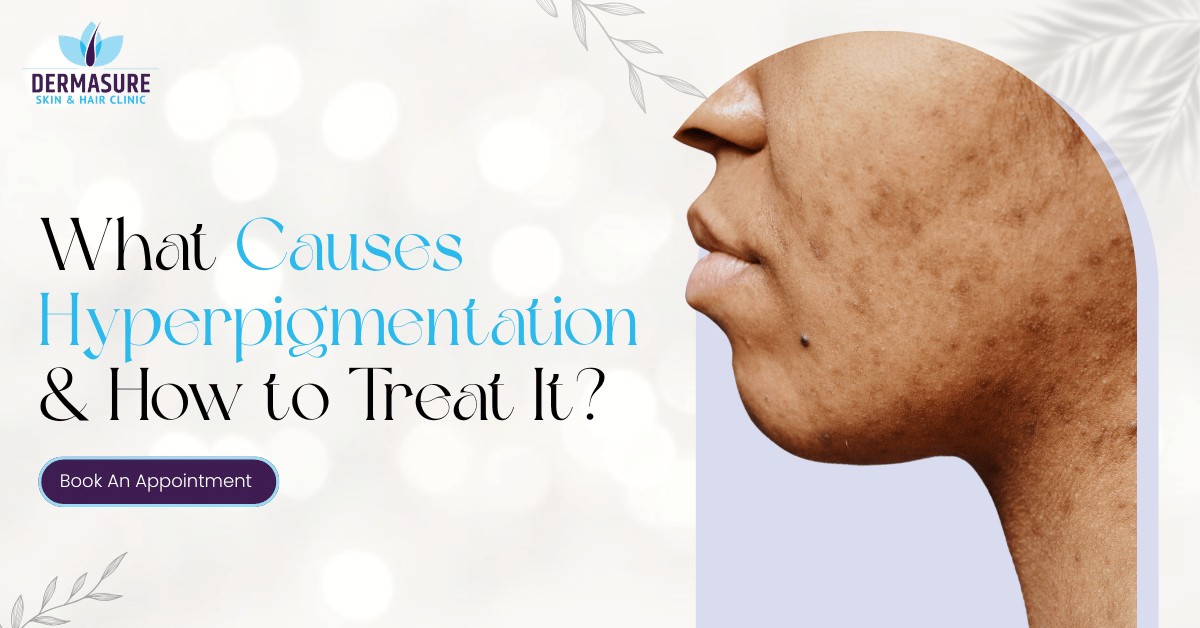
This is the part most over-the-counter products skip entirely. Post-acne marks, sun-induced pigmentation, and melasma all look similar to the untrained eye but behave very differently under the skin. Melasma, in particular, is hormonally driven and can worsen with certain creams that would otherwise help a simple sunspot. Treating all pigmentation the same way is why so many people feel stuck despite trying “everything” they can find online.
Why Store-Bought Creams Plateau
Most creams work on the surface layer, which genuinely helps for the first several weeks. Pigmentation sitting deeper doesn’t respond to the same active ingredients at over-the-counter strength, no matter how long you keep applying them. This is where clinical treatments like laser for pigmentation or targeted chemical peels come in, since they reach depths a cream simply can’t get to.
What Melasma Specifically Needs
Melasma deserves its own mention because it’s the type people misdiagnose most often. It responds poorly to aggressive treatments and tends to worsen with irritation, so gentler, hormone-aware protocols matter more here than raw treatment intensity. Dermasure’s approach to melasma treatment factors this in directly rather than applying a standard pigmentation protocol across the board.
Sun-Induced Pigmentation and Why It Behaves Differently
Years of UV exposure create a different kind of pigmentation, one that stays fairly localized and responds well to treatments targeting melanin directly. Unlike melasma, it typically won’t recur in new patches as long as sun protection is consistent afterward, which makes it one of the more satisfying types of pigmentation to treat, both for the patient and the dermatologist managing it.
Post-Acne Marks Aren’t Permanent Scarring
A lot of people assume dark marks left behind by old acne are scars. Usually they’re not. They’re a temporary discoloration called post-inflammatory hyperpigmentation, and while it fades on its own over months to years, clinical treatment can shorten that timeline considerably, sometimes cutting it down from over a year to a few months.
Combining Approaches for Faster, More Even Results
Pigmentation rarely responds to one modality alone. A chemical peel might handle surface tone, while a laser session addresses deeper pigment, and a proper skin-lightening protocol ties the two together over subsequent sessions. This layered approach tends to outperform any single treatment used in isolation, and it’s usually what separates a plateau from continued progress.
Why Patch Testing and Gradual Escalation Matter
Patients combining pigmentation correction with other cosmetic goals often review the wider range of aesthetic dermatology treatments available at the same visit.
Aggressive treatment from the very first session often backfires, particularly on Indian skin tones, which can be more prone to post-treatment darkening if the intensity isn’t calibrated correctly. A methodical approach that starts conservatively and escalates based on how your skin actually responds tends to produce more reliable long-term results than a one-size-fits-all protocol.
Sun Protection Is Part of the Treatment, Not an Afterthought
No pigmentation treatment holds up without consistent SPF use afterward. Skin is more photosensitive following most procedures, and skipping sunscreen risks undoing weeks of progress in a single afternoon outdoors.
Conclusion
Pigmentation treatment in South Delhi works best when it starts with an accurate read of what type of pigmentation you actually have, since melasma, sun spots, and post-acne marks all call for different approaches. Clinical treatment reaches depths creams can’t, and sun protection afterward is what makes results last well beyond the treatment room.
Frequently Asked Questions
Why did my pigmentation cream stop working after a few weeks?
Most creams only address the surface layer. Once pigmentation sits deeper, the same active ingredients at over-the-counter strength stop making visible progress.
How is melasma different from regular dark spots?
Melasma is driven by hormonal factors and tends to worsen with aggressive or irritating treatments, unlike sun-induced pigmentation, which responds well to more direct approaches.
How long does pigmentation treatment usually take to show results?
It varies by type and depth, but most people see noticeable fading over several weeks to a few months of consistent treatment.
Will my dark spots come back after treatment?
Sun spots can recur without ongoing sun protection. Post-acne marks usually stay clear once healed. Melasma can be more prone to recurrence with hormonal shifts.
CTA