

Overview
Most people dealing with stubborn acne have already tried more than one thing by the time they consider seeing a dermatologist. A specific face wash, a diet change, maybe even a previous consultation that produced a cream that worked for a few weeks before the breakouts came back. If this sounds familiar, the issue may not be the skin itself but the depth of the diagnosis behind the treatment.
Acne looks like a simple problem from the outside. In practice, it rarely has a single cause, which is exactly why generic treatment so often falls short. Two people with nearly identical breakout patterns can need entirely different treatment plans once the actual triggers are identified, and that distinction tends to get lost in a rushed consultation.
Why Does Acne Treatment Fail the First Time Around?
Acne can be driven by hormones, stress, gut health, skincare products, or genetics, often in some combination rather than just one factor. A short consultation rarely has time to identify which of these is actually responsible for a particular case, which means treatment frequently ends up addressing the most visible symptom rather than the underlying cause.
This is usually where treatment goes wrong. A prescription meant for acne as a general category gets handed out instead of one built around the specific trigger. It may help for a few weeks before the breakouts return, sometimes in a new area of the face. This is especially common with hormonal acne, which tends to follow monthly cycles that a one-time prescription rarely accounts for. Patients often describe this exact pattern as the moment they realized something deeper needed to be addressed.
There is also a tendency in quick consultations to treat acne purely as a cosmetic concern rather than a medical one. Acne is, in most cases, an inflammatory skin condition with biological drivers. Approaching it only with topical products, without understanding what is feeding the inflammation, tends to produce short-lived results at best, similar to what is outlined in South Delhi’s approach to treating acne in teenage patients, where age and hormonal stage change the treatment plan significantly.
What Does a Good Acne Dermatologist Actually Do Differently?
A dermatologist who treats acne as a primary focus, rather than one item on a long list of services, tends to ask more detailed questions before writing any prescription. When did the breakouts start? Do they follow a monthly pattern? Are they concentrated along the jawline or spread across the cheeks and forehead? Has anything in diet, stress levels, or skincare routine changed recently?
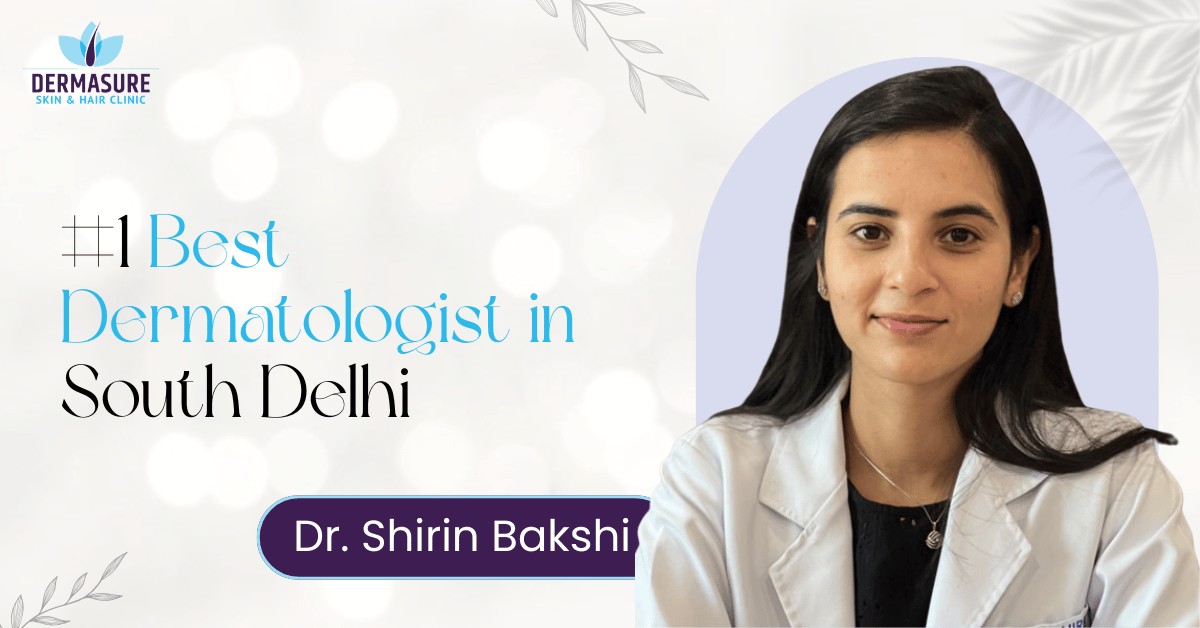
At Dermasure, Dr. Shirin Bakshi builds acne treatment plans around the underlying cause rather than only the visible symptom, an approach detailed further on the clinic’s acne specialist page. It is part of why patients who have already tried two or three other clinics often see a clearer shift here. The first consultation typically covers skin history, lifestyle, and any treatments already attempted before any product or medication is discussed.
This matters because acne treatment is rarely a single intervention. It usually involves a combination of medical management, lifestyle adjustments, and, where needed, in-clinic procedures, layered together based on what the specific case actually requires rather than a standard protocol applied uniformly. The same philosophy shapes how the clinic approaches acne treatment for South Delhi patients more broadly, where consistency across visits is treated as part of the treatment itself.
When Should Acne Move From Self-Care to a Specialist?
A few patterns are worth paying attention to:
• Breakouts that keep returning in the same area, even after the skin appears to clear
• Acne that begins or worsens well into the twenties or thirties
• Deep, painful bumps that never fully come to a head are often a sign of cystic acne rather than the surface-level kind
• Persistent pimples that do not respond to typical over-the-counter pimple treatment
• Marks left behind after each breakout heal, which is its own concern worth addressing through proper acne scar care
None of these is alarming on its own. They usually just mean the treatment needs to go further than over-the-counter products are able to reach. A useful way to think about it is that skincare products manage the surface, while a dermatologist addresses what is happening beneath it.
Does the Clinic You Choose in South Delhi Actually Matter?
South Delhi has a large number of skin clinics, and many are reasonably competent. Acne specifically tends to respond better to continuity of care. A dermatologist who tracks progress over multiple weeks, adjusts the plan when something is not working, and remembers a patient’s history tends to produce more consistent results than a different consultation every time. This is part of why patients researching a trusted dermatologist in South Delhi usually weigh consistency more heavily than convenience once they have been through a few clinics.
Does the Clinic You Choose in South Delhi Actually Matter?
South Delhi has a large number of skin clinics, and many are reasonably competent. Acne specifically tends to respond better to continuity of care. A dermatologist who tracks progress over multiple weeks, adjusts the plan when something is not working, and remembers a patient’s history tends to produce more consistent results than a different consultation every time. This is part of why patients researching a trusted dermatologist in South Delhi usually weigh consistency more heavily than convenience once they have been through a few clinics.
The more useful question is not which clinic is most visible online, but which one will stay involved until the case is actually resolved. This becomes especially relevant for acne that has not responded to two or three prior attempts, where a fresh consultation each time means starting the diagnostic process over rather than building on what has already been learned about a person’s skin. Patients seeking a thorough first visit can read more about what to expect from a dermatologist consultation at Dermasure.

How Long Does It Realistically Take to See Results?
This deserves a direct answer rather than a vague promise. Mild acne can sometimes respond within four to six weeks. Hormonal or cystic acne usually takes longer, often a few months, since the underlying triggers need time to settle. A dermatologist willing to give a realistic timeline upfront, rather than promising fast results that are not sustainable, is generally one worth trusting.
Improvement is also rarely linear. Most patients notice gradual changes rather than a single dramatic turning point, with occasional flare-ups even while the overall trend moves in the right direction.
Conclusion
Persistent acne is rarely about effort. It is usually about whether the treatment plan was built around the actual cause or just the visible symptom. A dermatologist who takes the time to look deeper, ask the right questions, and adjust the approach over time tends to get results where generic treatment has already failed.
Frequently Asked Questions
How do I know if my acne needs a dermatologist instead of over-the-counter products?
If breakouts have lasted more than a few months, keep returning in the same area, or leave marks behind, it is reasonable to consult a specialist rather than continue experimenting independently.
Is adult acne treated differently from teenage acne?
Often, yes. Adult acne is more frequently linked to hormones, stress, or underlying conditions, so the treatment approach can differ even when the breakouts look similar on the surface.
Will I need to be on medication long-term?
Not necessarily. Many patients move to a maintenance routine once acne is under control, with medication used mainly during active flare-ups.
Does diet actually affect acne?
For some people, yes, particularly with high-sugar or high-dairy diets, though this varies. A dermatologist can help determine if this is relevant in a specific case.
How soon can I get an appointment?
Availability can be checked directly with the clinic.
CTA