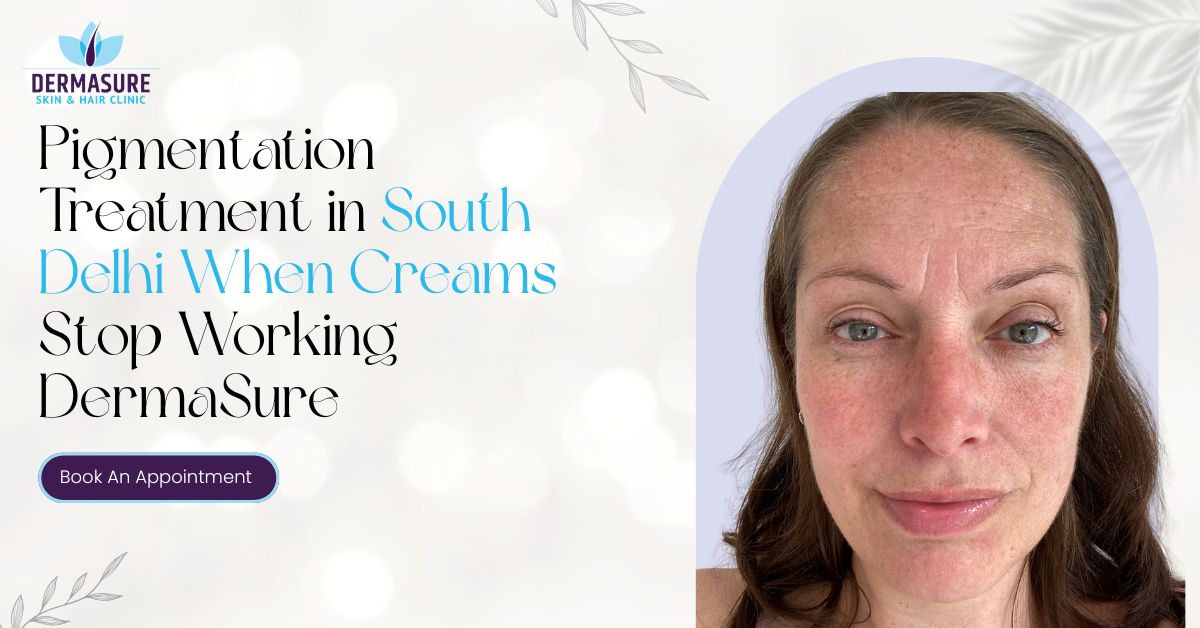


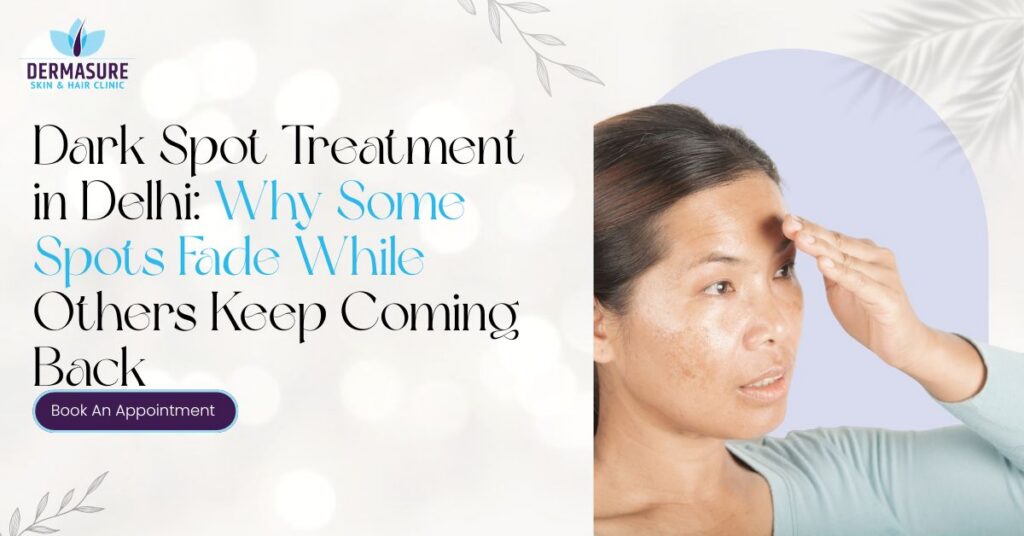
You’ve been using the best sunscreen, avoiding excessive sun exposure, and applying pigmentation-fading creams for months. Some of your dark spots have lightened slightly. Others haven’t changed at all. Newer spots keep appearing despite your efforts. At this point, you’re wondering if professional dark spot treatment is even worth pursuing or if you’re just stuck with pigmentation that won’t budge.
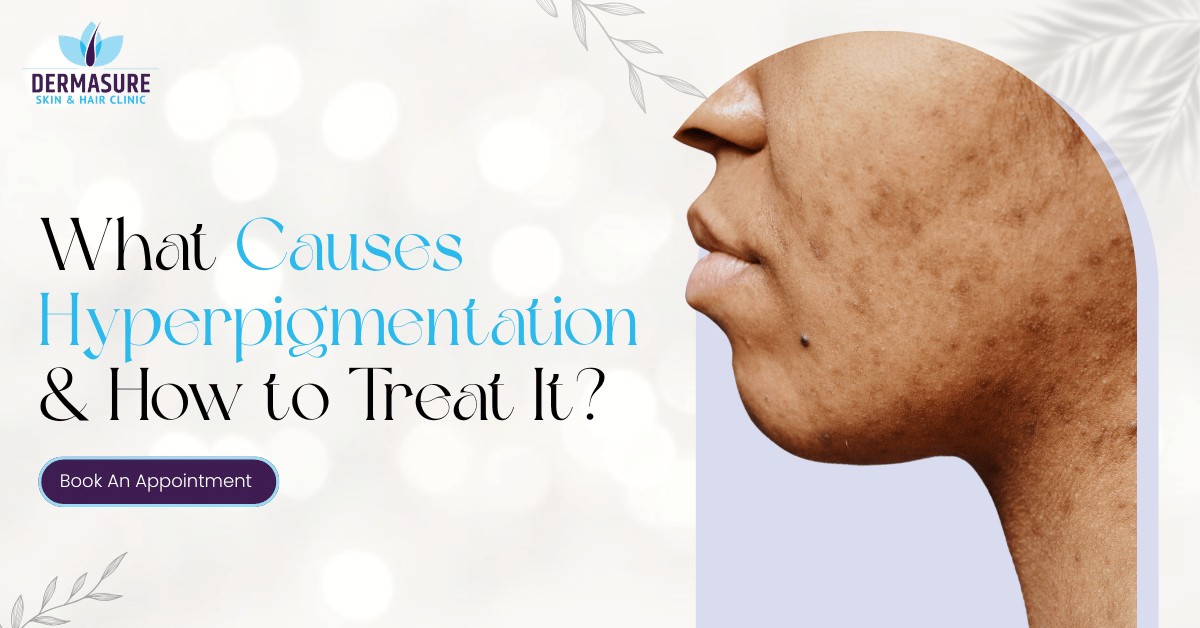
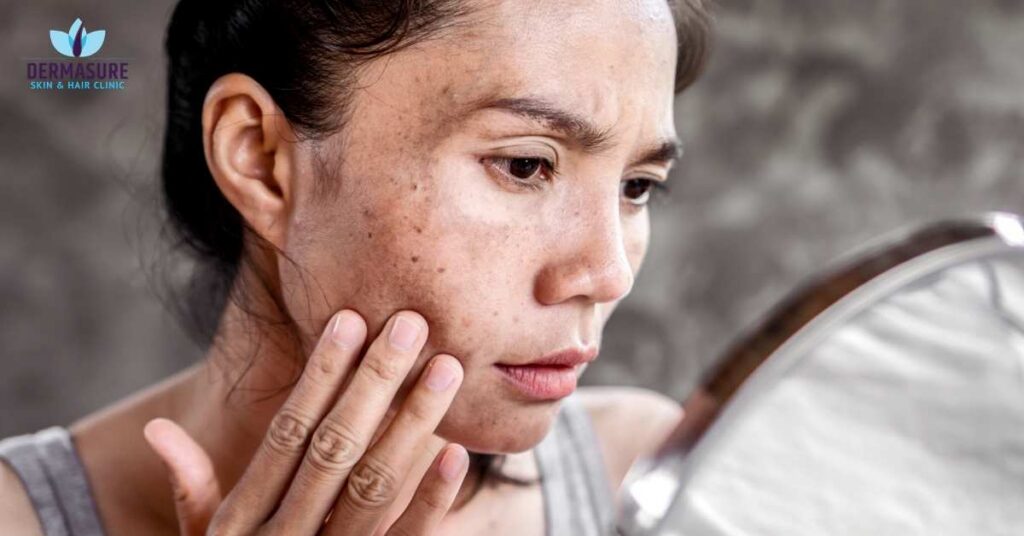
The frustration makes sense. Dark spots are cosmetically bothersome and resistant to topical treatment because topical creams work on the skin surface while pigmentation often goes deeper. Additionally, dark spots aren’t all the same. Some are simple sun spots from UV damage. Others are post-inflammatory hyperpigmentation from previous skin irritation. Some are melasma triggered by hormones. Some are age spots. Each type has different causes and responds to different treatments. Understanding what type of dark spots you have helps you choose a treatment that will actually work.
Dr. Shirin Bakshi, MD, at DermaSure Skin & Hair Clinic in South Delhi, specializes in professional pigmentation treatment addressing various types of dark spots with treatments that go deeper than topical creams. Her approach involves identifying the specific type of pigmentation you have and recommending treatment designed for that specific type.
The Different Types of Dark Spots
Sun spots (solar lentigines) are brown patches caused by years of UV exposure concentrating melanin in specific areas. They’re most common on the face, hands, and other sun-exposed areas. They respond moderately well to topical treatments and very well to professional treatments.
Post-inflammatory hyperpigmentation (PIH) occurs after skin injury, irritation, or inflammation. Acne scars can trigger PIH. Overly aggressive skincare can trigger it. This type of pigmentation often fades gradually on its own, but professional treatment accelerates fading.
Melasma involves symmetric patches typically on the cheeks, forehead, or upper lip. It’s triggered by hormonal changes, particularly pregnancy or hormonal birth control. It’s more resistant to treatment than other types and tends to recur if hormones shift again.
Age spots or seborrheic keratosis are waxy, slightly raised brown spots that increase with age. Some respond well to treatment, others are structural and more resistant.
Freckles are genetic and present since childhood. They differ from acquired dark spots and have different treatment responses.
Why Topical Treatments Have Limits
Topical bleaching agents like hydroquinone, kojic acid, vitamin C, or niacinamide work by inhibiting melanin production or promoting melanin breakdown. They work on the skin surface where some melanin sits. But pigmentation in dark spots often extends deeper into the dermis, where topical treatments can’t reach effectively.
Additionally, topical treatments work slowly. Real results take 2 to 3 months. Many people abandon treatment before results are apparent. Even when results do appear, stopping the treatment allows pigmentation to return if the underlying trigger continues.
This is why professional treatment that addresses deeper pigmentation is often necessary for significant and lasting improvement.
How Professional Dark Spot Treatments Work
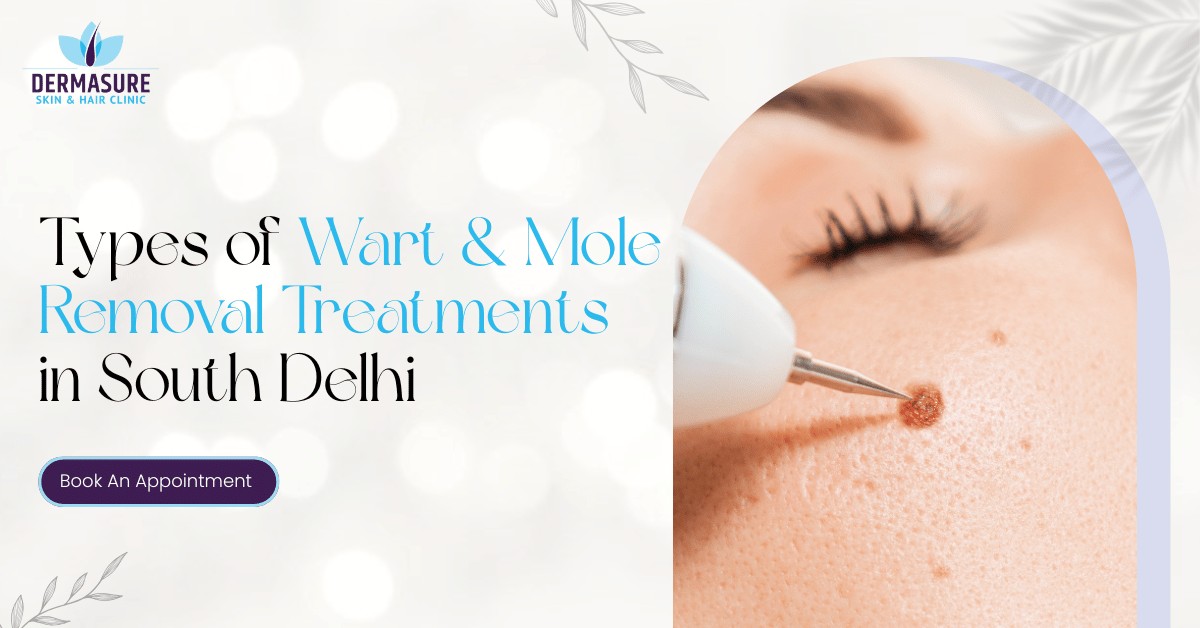
Chemical peels exfoliate layers of skin and stimulate cell turnover, gradually fading pigmentation. Deeper peels penetrate into the dermis, where deeper pigmentation sits. Results show within days to weeks, depending on peel depth.
Laser pigmentation removal targets melanin directly with concentrated light energy. The laser breaks up melanin particles so your body can clear them. This is a more direct treatment than topical creams and works on deeper pigmentation. Results show gradually as the body clears broken-up melanin.
Skin rejuvenation treatments using radiofrequency or ultrasound stimulate collagen while improving pigmentation. These treatments improve overall skin quality alongside fading dark spots.
At DermaSure Skin & Hair Clinic in South Delhi, Dr. Shirin Bakshi assesses your specific dark spots and recommends the treatment most appropriate for that type of pigmentation.
Why Your Dark Spots Keep Coming Back
If you have sun spots and continue sun exposure without protection, new spots will keep appearing. If you have melasma and your hormones shift, pigmentation will recur. If you have PIH from acne and continue having acne breakouts, new pigmentation will develop.
Treating existing dark spots without addressing the underlying trigger means you’re constantly chasing new pigmentation. Comprehensive dark spot management includes both treating what exists and preventing future pigmentation.
Preventing New Dark Spots While Treating Existing Ones
Strict sun protection is critical. SPF 50+ sunscreen daily, protective clothing, avoiding peak sun hours, and using antioxidant serums all help prevent new spots. This should happen alongside professional dark spot treatment for best results.
If your dark spots are related to skin irritation or acne, using gentle products and managing acne prevents new post-inflammatory hyperpigmentation. If they’re hormonally triggered, discussing your contraception or hormonal status with your gynecologist might help.
Combining Dark Spot Treatment with Other Skin Treatments
Many patients pair dark spot correction with broader skin rejuvenation treatments to improve overall tone and texture at the same time.
Dark spot treatment often works well with other skin treatments. Skin tightening and dark spot treatment together address multiple aging signs simultaneously. Acne treatment combined with dark spot treatment prevents new post-inflammatory hyperpigmentation while treating existing spots.
At DermaSure Skin & Hair Clinic, the approach is comprehensive, combining treatments to address multiple concerns simultaneously.
Timeline for Dark Spot Improvement
Chemical peels show results within days to weeks. Laser treatments show gradual improvement over weeks as the body clears melanin. Skin rejuvenation treatments show gradual results over months. Combining treatments often produces faster results than single treatments.
Complete dark spot removal takes time. You’re not eliminating spots in one session. You’re progressively fading them over multiple treatments.
Aftercare Following Dark Spot Treatment
Most dark spot treatments require careful sun protection during and after the treatment process. Your skin is more photosensitive after treatment, and sun exposure interferes with results. SPF 50+ sunscreen, protective clothing, and careful avoidance of the sun are necessary.
Some treatments cause mild redness or flaking. This is temporary and part of healing. Gentle skincare products help while the skin settles.
Conclusion
Professional dark spot treatment in South Delhi addresses pigmentation effectively when combined with understanding your specific spot type and preventing future pigmentation through sun protection and trigger management. Results require patience but are worth the commitment.
Frequently Asked Questions
How many dark spot treatments do I need to see results?
Results depend on treatment type and spot severity. Chemical peels show results within days to weeks. Laser treatments show gradual improvement over multiple sessions. Most people see noticeable improvement within 3 to 6 treatments.
Can dark spots come back after treatment?
Yes, if sun exposure continues or if triggering factors persist. Strict sunscreen use and trigger management help prevent recurrence. Regular maintenance treatments might be needed.
Is dark spot treatment safe for all skin types?
Professional dark spot treatment is safe across skin types when appropriate modalities and settings are used. At DermaSure Skin & Hair Clinic, treatment is customized for your specific skin type.
Can I use topical treatments alongside professional dark spot treatment?
Yes. Topical treatments can be combined with professional treatment for complementary effects. During consultation, discuss what you’re currently using so the treatment plan accounts for it.
CTA
Schedule a consultation with Dr. Shirin Bakshi at DermaSure, South Delhi