

Overview
Pigmentation is one of those skin conditions that can surprise you. A dark spot here, an uneven patch there, and eventually your skin tone no longer looks the same. If you are searching for the Best Pigmentation Treatment in South Delhi, the first step is not choosing a laser or peel. The first step is understanding why the pigmentation is happening.
Pigmentation is especially common in Delhi because of intense sun exposure, pollution, heat, hormonal changes and post-acne inflammation. Many people use serums and home remedies for months, but these usually do not address the root cause of the problem.
At Dermasure in South Delhi, Dr Shirin Bakshi first identifies what is actually causing the pigmentation before recommending treatment. The approach matters because the treatment that works for sun damage is not always the same one that works for melasma, post-acne marks or deeper pigmentation.
Why Pigmentation Happens in the First Place
Melanin is the pigment that gives skin its colour. When melanocytes start producing excess melanin in specific areas, dark patches, uneven tone and visible spots begin to appear. The trigger can be different for every person.
The following are common reasons why pigmentation develops:
- Overexposure to the sun without proper protection
- Hormonal changes caused by pregnancy, contraception or other internal triggers
- Post-inflammatory marks after acne, injury, irritation or rashes
- Melasma caused by a combination of hormones, heat and UV exposure
- General ageing and cumulative sun damage over time
Understanding the cause is crucial because pigmentation treatments are not interchangeable. A chemical peel that works well for surface sun spots may not be enough for deeper hormonal melasma. This is why a medical assessment is important before starting any treatment.
Pigmentation Treatments Available in South Delhi
Here is a breakdown of the main treatment options and what each one actually targets.
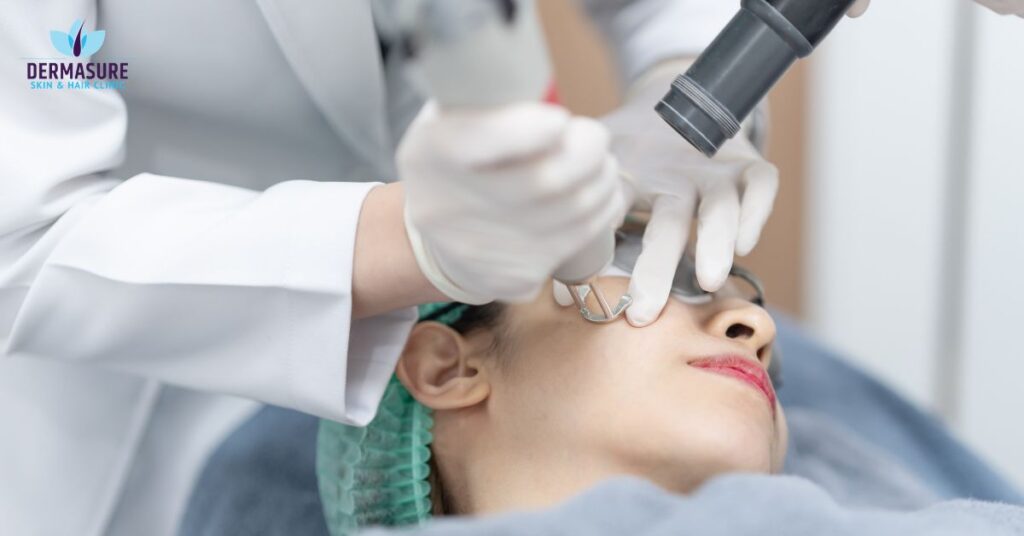
Laser treatment for pigmentation in South Delhi is one of the most effective options for breaking down excess melanin in deeper skin layers. At Dermasure, Q-Switch Nd:YAG lasers and carbon laser peels may be used depending on the type and depth of pigmentation. The settings are selected carefully for Indian skin tones to support safer, more precise results.
Chemical peels remove the outer layer of skin where a lot of surface pigmentation sits. Glycolic acid, kojic acid and lactic acid peels work differently and are chosen based on skin type, pigmentation pattern and sensitivity. They are especially useful for mild to moderate uneven tone and post-acne marks.
Skin lightening treatment uses a combination of dermatologist-prescribed topical agents and clinical procedures to gradually reduce excess melanin production across broader areas of uneven tone. It is helpful when pigmentation is spread out rather than limited to one or two dark spots.
Melasma treatment is handled separately because melasma behaves differently from regular pigmentation. It is stubborn, tends to return and needs a plan that combines clinical treatment, strict sun protection and long-term maintenance.
Medi-facials with brightening ingredients such as Vitamin C, kojic acid and barrier-supporting actives can be used as a gentle starting point for mild pigmentation. They may also be recommended as maintenance between stronger procedures.
How to Pick the Right Pigmentation Treatment
This is where most people make mistakes. They choose a treatment based on what they saw online or what worked for a friend, without considering their own skin type, pigmentation depth or underlying trigger.
Several factors influence the correct treatment plan:
- The depth of pigmentation in the skin
- Whether pigmentation is caused by sun exposure, hormones, acne or ageing
- Your skin tone and how safely it responds to laser or peel settings
- Previous treatments you have already tried and how your skin responded
- The amount of downtime you can manage
The Best Dermatologist for Pigmentation in South Delhi will not recommend the same treatment to every patient. A proper plan should be customised after examining your skin, identifying the pigmentation type and understanding your lifestyle, sun exposure and previous treatment history.
Signs You Should Stop Self-Treating and See a Dermatologist
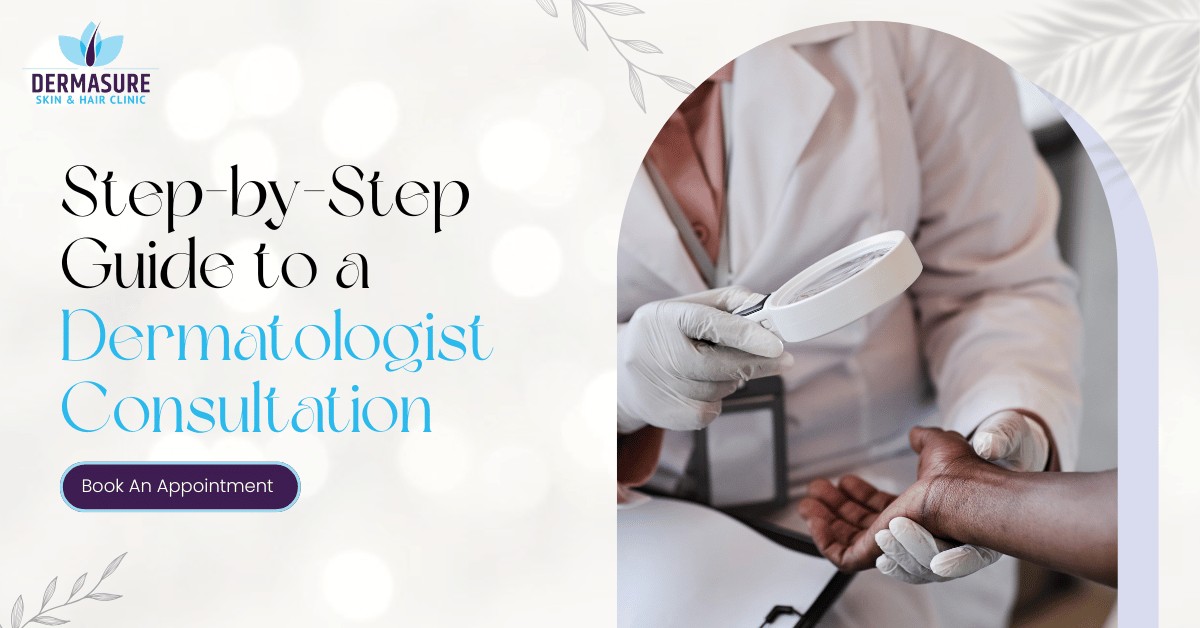
Most people wait too long before getting professional help. A dermatologist consultation can save time, prevent worsening and reduce the risk of irritation from unsuitable products.
Make an appointment if:
- Dark spots or patches have been present for more than three months
- Serums and home care products have not made a visible difference
- Pigmentation is spreading or becoming darker
- You have patterned patches on the cheeks, forehead or upper lip
- Your skin tone looks noticeably uneven in natural light
- Pigmentation is affecting your confidence or making you rely on makeup every day
Conclusion
Pigmentation is more than a cosmetic concern. For many people, it affects confidence every single day. The good news is that pigmentation can improve significantly when the cause is identified and the treatment is chosen correctly.
At Dermasure Clinic, South Delhi, pigmentation care is planned around diagnosis first, not guesswork. Whether you need laser treatment, chemical peels, skin lightening treatment or melasma management, the right plan begins with a dermatologist-led consultation.
Frequently Asked Questions
Q. Which is the best treatment for pigmentation in South Delhi?
The best treatment depends on the cause and depth of pigmentation. Laser treatment works well for deeper spots, while chemical peels suit surface-level unevenness. Melasma needs a more controlled long-term approach. A dermatologist assessment decides which option fits your skin.
Q. How many sessions does pigmentation treatment take?
Most patients need between 3 and 6 sessions, depending on severity, skin type and treatment selected. Melasma usually takes longer because it requires maintenance and strict sun protection.
Q. Is laser treatment for pigmentation safe for Indian skin?
Yes, laser treatment can be safe for Indian skin when performed by a qualified dermatologist using the right settings. Incorrect laser parameters can worsen pigmentation, so medical supervision is important.
Q. Can pigmentation come back after treatment?
Yes, pigmentation can return, especially melasma and sun-induced pigmentation. Daily sunscreen, maintenance sessions and dermatologist-guided skincare help reduce recurrence.
Ready for Clearer, Even-Toned Skin?
Tagline: Treat pigmentation at the root with dermatologist-led care, advanced technology and a plan made for your skin.
CTA: Book a Consultation at Dermasure, South Delhi to get your skin assessed and start the right pigmentation treatment plan.