

Stretch marks after pregnancy are tiny scars that form when skin stretches quickly. They fade with time but rarely vanish on their own. Newer red or purple marks respond best to treatment such as dermatologist-prescribed creams, laser or microneedling, while older white marks improve less. If you are breastfeeding, ask your doctor before using any treatment. You can book a consultation here.
Overview
Nobody warns you properly about this part. You spend nine months preparing for the baby, the hospital bag, the sleepless nights, and then one morning in the bathroom you notice lines across your belly, hips or thighs that weren’t there before. Some are pink, some purple, some already a silvery white. Some itch. Many women say the same thing: “I didn’t expect to mind so much, but I do.”
First, you aren’t doing anything wrong. Stretch marks are extremely common after pregnancy, and no cream or oil applied during those months guarantees you’ll skip them. They depend largely on your skin, your genes and how fast it stretched. Second, there’s a real window where treatment helps more, and a lot of women miss it because they’ve been told to “wait till you finish breastfeeding” or “just use coconut oil”. This guide explains what actually helps, what doesn’t and what to ask a dermatologist. Stretch-mark and scar concerns are part of the skin care at DermaSure Clinic in Safdarjung Enclave, South Delhi, within its wider medical dermatology work.
What Are Stretch Marks?
In plain words
● Small scars that form in the deeper layer of skin when it stretches or shrinks quickly
● Common on the belly, breasts, hips, thighs and lower back after pregnancy
● Often red, pink or purple at first, and later fade to pale or silvery
● Can feel slightly raised or itchy in the early stage
● Not harmful, and not a sign of poor skin care
Stretch marks are scars from rapid skin stretching. They aren’t dirt, dryness or something you caused.
Meet Dr. Shirin Bakshi
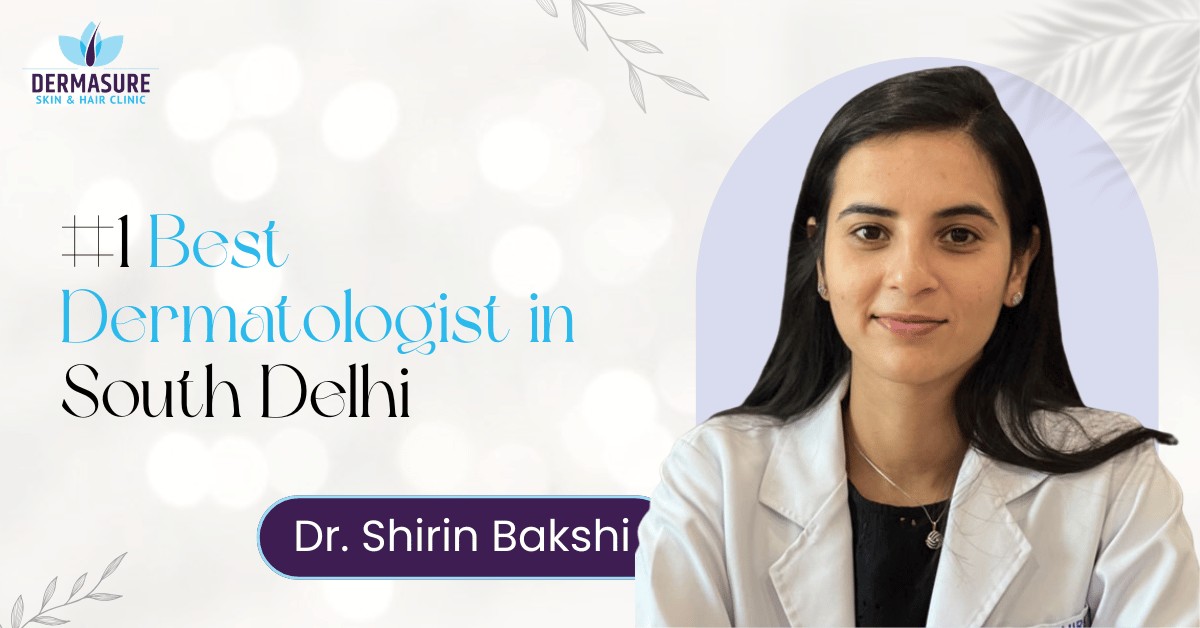
Dr. Shirin Bakshi completed her MBBS at Lady Hardinge Medical College, Delhi, and her MD in Dermatology, Venereology and Leprology at PGIMER, Chandigarh. According to the clinic, she has around seven years of experience treating skin, hair and nail conditions. She sees patients at DermaSure Clinic, B7, 123A, Safdarjung Enclave, New Delhi.
Professional Highlights
● MBBS, Lady Hardinge Medical College, Delhi
● MD in Dermatology, Venereology and Leprology, PGIMER, Chandigarh
● Treats skin, hair and nail conditions
● Clinic open Monday to Saturday, 11 AM to 6:30 PM
Not sure whether your marks are the treatable kind? Message the clinic on WhatsApp and ask.
Why Do Stretch Marks Appear After Delivery?
The skin on your belly stretches fast during the last trimester, and the fibres that give it strength can tear slightly under the surface. The body repairs that damage with scar tissue, which is what you see. Genes play a big part, which is why your sister might have none and you have many. Hormonal changes, how much weight you gained and how quickly, the size of the baby and whether you carried twins all contribute.
WebMD’s guide to getting rid of stretch marks describes them as tiny scars that can appear while the skin stretches or as it heals, and notes that factors such as age, skin tone and healing differ from person to person. That unpredictability is the reason comparing yourself with a friend rarely helps.
Fresh Marks and Old Marks Are Different
This is the single most useful thing to know. Newer stretch marks look red, pink or purple because blood vessels are still active in the scar. Older ones turn pale or silvery as the activity settles. The treatment window matters.
● Newer marks (the first few months): Usually respond better. Treatments aim to calm the redness and build collagen.
● Older, mature marks (around a year or more): Treatments can soften texture and make them less noticeable, but the improvement is smaller, and no honest doctor promises to erase them.
WebMD’s article makes the same point: starting within a few months of the marks appearing gives the best chance of improvement, and results depend on how long the marks have been there and how many sessions you have.
What Treatment Options Are There?
1. Prescription Creams
Doctors sometimes prescribe vitamin A-based creams (retinoids) for newer, reddish marks. WebMD notes that one study found marks looked less noticeable after about 24 weeks of nightly use. But there’s an important catch for new mothers: retinoids aren’t recommended during pregnancy, and many doctors advise caution while breastfeeding. Please don’t start one from a friend’s cabinet. Ask first.
2. Laser Treatment
Different lasers act on different things. Some target the redness in newer marks, and others stimulate collagen in older ones. It usually takes several sessions, spaced out over time, and it works best when planned for your skin tone. Dermatologists are careful about laser on deeper skin tones because of the risk of pigment changes, so this is a decision to make after an examination, not from a price list.
3. Microneedling
Tiny needles create controlled micro-injuries, which kick-start collagen production. It’s gradual, usually involves a series of sessions, and it can improve texture and appearance rather than erase marks.
4. Other Procedures
Chemical peels, radiofrequency devices and combination plans exist, and your dermatologist may mix approaches depending on how your skin responds. For stretch marks on the lower tummy with loose skin, some women discuss surgery with a plastic surgeon, which is outside what a skin clinic does.
5. What Doesn’t Do Much
Oils, cocoa butter and vitamin E are lovely for itch and comfort, but WebMD says they don’t do much for existing marks. Superficial at-home rollers and gadgets also tend to disappoint. Tanning makes marks stand out more, so sunscreen helps.
The honest summary: treatment can soften and fade stretch marks, but it rarely erases them. Earlier is better, and expectations should be realistic.
What About Breastfeeding?
Many mothers are told, “Wait until you stop feeding.” In some cases that’s sensible, in others it means losing the early window. The better answer is to see a dermatologist, tell them you’re breastfeeding, and let them decide what is safe now, what can wait and what can begin straight away. Some options, such as gentle moisturising, sun protection and certain procedures, may be reasonable during feeding, while others, like retinoids, are generally avoided. Your doctor will sort that out.
Why Choose DermaSure Clinic for Stretch Marks?
Key advantages
● A dermatologist with an MD from PGIMER examines your skin personally
● Advice that takes breastfeeding and your recovery into account
● Honest expectations instead of “before and after” promises
● A plan that matches the age of your marks and your skin tone
● Located in Safdarjung Enclave, convenient from across South Delhi
See skin education posts on Instagram, or book your consultation here.
Signs It’s Worth Booking a Visit
● Your marks are still red, pink or purple
● They’ve appeared in the last few months
● They itch or feel raised
● You’re bothered every time you look in the mirror
● You’re unsure whether you can treat them while breastfeeding
● You’ve tried oils for months without any change
● You want a plan before another pregnancy
How the Treatment Goes, Step by Step
- Consultation: The doctor examines the marks, notes their colour and age and asks about breastfeeding and medicines.
- Choosing the approach: You discuss creams, laser, microneedling or a mix, and what’s safe now.
- Treatment plan: The number of sessions and the gap between them are explained upfront.
- Sessions and home care: You attend sessions and follow sun protection and skin care advice.
- Review: Progress is assessed with photos, and the plan is adjusted.
What Are the Benefits of Starting Early?
✔ Fresher marks usually respond better
✔ Less redness and itching sooner
✔ A smoother texture as collagen builds
✔ Less time worrying, because you have a plan
✔ A doctor can advise safely around breastfeeding
Looking After Your Skin Between Sessions
Simple habits that help
● Moisturise daily, because soft skin is more comfortable even if it doesn’t erase marks
● Use sunscreen on exposed areas so marks don’t darken
● Massage gently with moisturiser to ease itching
● Avoid harsh scrubs and rough friction
● Keep weight changes gradual after delivery
● Drink enough water and eat enough protein for healing
● Don’t pick at dry, itchy skin
Skin that is comfortable, protected and treated consistently does better than skin that gets a new trial product every week.
Why Do South Delhi Patients Trust DermaSure Clinic?
● Clear answers about what treatment can and can’t do
● A doctor who listens without rushing
● Video explainers on YouTube
● Patient information on the clinic’s Facebook and Instagram pages
● Easy contact by phone, WhatsApp or email
Conclusion
Stretch marks after pregnancy are part of many women’s stories, and they don’t need to be hidden or ignored. Fresh marks respond best, old ones improve less, and no treatment can promise they’ll vanish. What matters is getting honest advice early, knowing what is safe while you’re breastfeeding and choosing a plan you can actually follow. If you’re in South Delhi and want a proper opinion, DermaSure Clinic is happy to take a look.
Contact DermaSure Clinic
Email: drshirin.dermasure@gmail.com
Phone: +91 92058 06349, +91 11 4670 8000
Book your skin consultation at DermaSure Clinic here
FAQs
Can stretch marks after pregnancy be removed completely?
They can often be softened and made less visible, but complete removal is rare, especially for older marks.
When should I start stretch mark treatment after delivery?
Earlier is usually better, because red or purple marks respond more than older white ones. A dermatologist can advise what is safe if you are breastfeeding.
Does laser work for stretch marks?
Laser can help certain marks, particularly when planned for your skin tone and repeated over several sessions, but results vary.
Do creams and oils prevent or remove stretch marks?
They help with dryness and itching, but there’s little evidence that oils remove existing marks.
Where can I get stretch mark treatment in Delhi?
You can see Dr. Shirin Bakshi at DermaSure Clinic in Safdarjung Enclave, call +91 92058 06349 or write to drshirin.dermasure@gmail.com.