

Overview
Some hair fall is genuinely normal, everyone sheds 50 to 100 hairs a day as part of the natural growth cycle. The confusion starts when shedding increases noticeably, and most people wait far too long before getting it properly evaluated, hoping it resolves on its own. Understanding when Hair Fall Treatment in Delhi genuinely becomes necessary, rather than continuing to wait, protects against unnecessary progression.
At DermaSure Clinic, Dr. Shirin Bakshi evaluates hair fall through proper diagnosis, distinguishing normal shedding from patterns that genuinely need treatment.
What’s Actually Normal vs What Isn’t
The honest distinction:
● Shedding 50 to 100 hairs daily as part of the natural growth cycle is completely normal
● Noticeable thinning at the crown, part line, or temples is not part of normal shedding
● A sudden, significant increase in shedding, especially after a triggering event, warrants evaluation
● Hair fall accompanied by scalp itching, flaking, or tenderness suggests an underlying issue
The difference between normal shedding and a genuine problem often comes down to whether the volume has noticeably increased and stayed elevated, not just an occasional bad hair day.
Meet Dr. Shirin Bakshi – Hair Fall Specialist in Delhi
Patients dealing with hair fall want a dermatologist who identifies the actual cause, not one recommending the same generic serum to everyone.
Professional Highlights:
● MBBS from Lady Hardinge Medical College, Delhi
● MD in Dermatology, Venereology & Leprology from PGIMER, Chandigarh
● 7 years of clinical dermatology experience
● Focus on identifying root cause before recommending treatment
For questions about your specific hair fall pattern, patients can reach the clinic on WhatsApp.
Signs You Should See a Dermatologist Now
1. Shedding That’s Noticeably Increased
Especially if it’s stayed elevated for more than a few weeks, rather than resolving on its own.
2. Visible Thinning
Particularly at the crown, part line, or temples, which often signals pattern-based hair loss.
3. Sudden Onset After a Triggering Event
Illness, significant stress, or major life changes can trigger a specific type of temporary shedding worth confirming.
4. Scalp Symptoms Alongside Shedding
Itching, flaking, or tenderness suggests an underlying scalp condition contributing to the hair fall.
Why Choose DermaSure for Hair Fall Evaluation?
Key advantages:
● Proper diagnosis distinguishing normal shedding from genuine hair loss
● Access to comprehensive hair fall treatment under one clinic
● Focus on identifying the actual cause, not just treating symptoms
● 7 years of dermatological expertise across various hair fall patterns
A dermatologist who identifies the actual cause behind your hair fall, whether genetic, hormonal, or nutritional, is what actually determines whether treatment works.
Common Causes Worth Ruling Out
1. Genetic Pattern Hair Loss
Progresses gradually and predictably, often running in families.
2. Stress-Related Shedding
Can appear suddenly after a triggering event, often resolving once the trigger passes.
3. Nutritional Deficiencies
Low iron, protein, or key vitamins can contribute to noticeable thinning over time.
4. Hormonal Changes
Postpartum shifts and thyroid conditions are common, genuinely treatable contributors.
Step-by-Step Hair Fall Evaluation Journey
1. Initial Consultation
Your hair fall pattern, timeline, and any triggering events are discussed in detail.
2. Scalp and Hair Examination
Direct examination assesses density, pattern, and any visible scalp conditions.
3. Diagnosis
Findings determine whether the cause is genetic, hormonal, nutritional, or stress-related.
4. Treatment Plan
A specific approach is recommended based on the identified cause.
5. Follow-Up Monitoring
Progress is tracked to confirm the treatment is genuinely working.
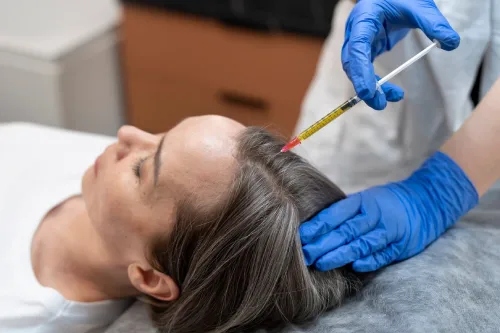
Benefits of Timely Dermatologist Evaluation
✔ Identifies the actual cause before it progresses further
✔ Distinguishes normal shedding from a genuine underlying issue
✔ Opens up more treatment options when addressed earlier
✔ Prevents unnecessary anxiety from unclear, unresolved symptoms
✔ Provides a clear, evidence-based path forward
Evaluating hair fall early, rather than waiting to see if it resolves, is what genuinely keeps treatment options broader and more effective.
Why Delhi Patients Trust DermaSure for Hair Fall Treatment
● Proper diagnosis distinguishing normal shedding from genuine concern
● 7 years of dermatological expertise identifying the actual cause
● Access to comprehensive treatment options under one clinic
● Direct WhatsApp access at wa.me/+919205806349 for questions
● Treatments overseen directly by Dr. Shirin Bakshi
Patients who seek evaluation once shedding genuinely increases, rather than waiting indefinitely, consistently see better outcomes from treatment.
Conclusion
Some hair shedding is genuinely normal, but noticeable, sustained increases, visible thinning, or scalp symptoms are signs worth having properly evaluated, not waited out. Dr. Shirin Bakshi at DermaSure Clinic identifies the actual cause behind hair fall before recommending treatment.
For questions about hair fall, call +91 9205806349 or email drshirin.dermasure@gmail.com. Follow patient updates on Instagram and Facebook.
Book your consultation with DermaSure here.
FAQs
How much hair fall is actually normal?
Shedding 50 to 100 hairs daily is part of the normal growth cycle. A noticeable, sustained increase beyond this is worth evaluating.
When should I see a dermatologist for hair fall?
See a dermatologist if shedding has noticeably increased for more than a few weeks, or if you notice visible thinning at the crown or part line.
Can stress actually cause hair fall?
Yes, significant stress or major life events can trigger a specific type of temporary shedding, which a dermatologist can help confirm and manage.
Does scalp itching relate to hair fall?
Yes, scalp itching, flaking, or tenderness alongside hair fall often points to an underlying scalp condition contributing to the shedding.
Is hair fall treatment more effective when started early?
Generally, yes. Addressing the underlying cause earlier typically opens up more treatment options and produces better long-term results.