

Overview
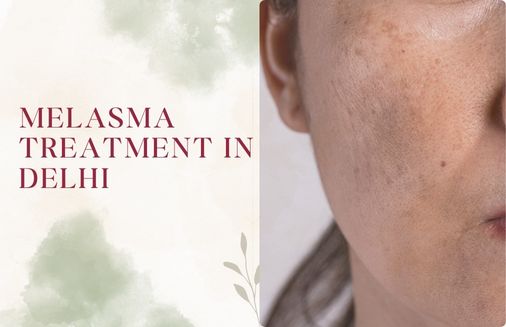
Melasma is a common skin condition that causes dark, patchy pigmentation, primarily on the face. It often appears as brown or greyish patches on the cheeks, forehead, nose, and upper lip. While melasma is not harmful, it can significantly impact skin appearance and confidence. Understanding its causes and choosing the best melasma treatment on the face is essential for achieving clear and even-toned skin.
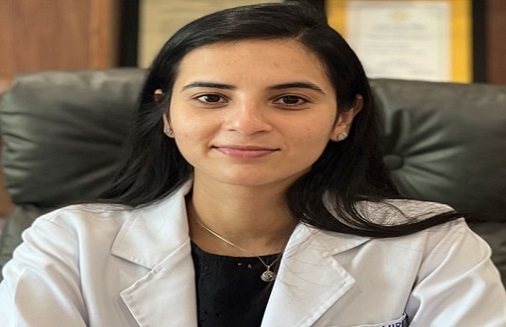
At Dermasure Clinic, advanced dermatological care is provided under the expert guidance of Dr. Shirin Bakshi, who specialises in treating pigmentation disorders with a personalised and science-based approach. With the right diagnosis and targeted treatments, melasma can be effectively managed and controlled.
What is Melasma?
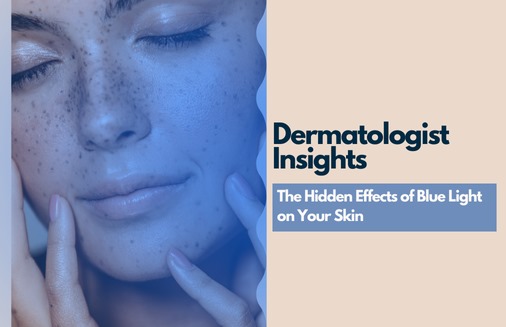
Melasma is a type of hyperpigmentation caused by the overproduction of melanin, the pigment responsible for skin colour. It typically develops in symmetrical patterns on the face and is more common in women, especially those with medium to darker skin tones.
Unlike temporary tanning or pigmentation, melasma tends to be persistent and may worsen with sun exposure, hormonal changes, or improper skincare. This makes professional evaluation important when selecting the best melasma treatment on face.
Common Causes of Melasma
Melasma is a multifactorial condition, meaning it can be triggered by several internal and external factors. Some of the most common causes include:
1. Sun Exposure
Ultraviolet (UV) rays are one of the primary triggers for melasma. Prolonged exposure stimulates melanin production, leading to dark patches.
2. Hormonal Changes
Hormonal fluctuations during pregnancy, use of oral contraceptives, or hormone therapy can lead to melasma. This is why it is often referred to as the “mask of pregnancy.”
3. Genetics
A family history of melasma increases the likelihood of developing the condition.
4. Skin Inflammation
Post-inflammatory hyperpigmentation from acne, irritation, or harsh skincare products can trigger melasma-like patches.
5. Heat and Environmental Factors
Heat exposure, pollution, and oxidative stress can worsen pigmentation and make melasma more resistant.
Types of Melasma
Understanding the type of melasma is crucial in determining the best melasma treatment on the face.
- Epidermal Melasma – Located in the upper skin layer; responds well to treatment
- Dermal Melasma – Deeper pigmentation; requires advanced procedures
- Mixed Melasma – Combination of both; needs a customised treatment approach
Best Melasma Treatment on Face
There is no one-size-fits-all solution for melasma. The best melasma treatment on face involves a combination of medical skincare, clinical procedures, and lifestyle modifications. Dermasure Clinic offers advanced treatment options tailored to each patient.
1. Medical Topical Treatments
Dermatologist-prescribed creams are often the first step in managing melasma. These may include:
- Skin-lightening agents
- Retinoids for cell turnover
- Anti-inflammatory formulations
These treatments help reduce melanin production and gradually lighten pigmentation.
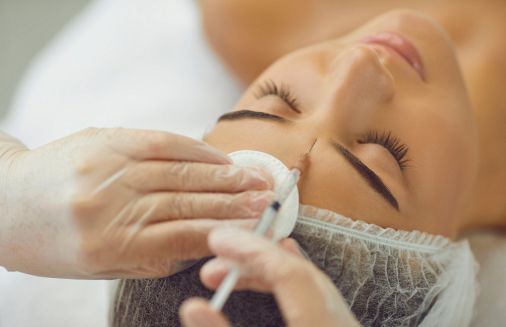
2. Chemical Peels
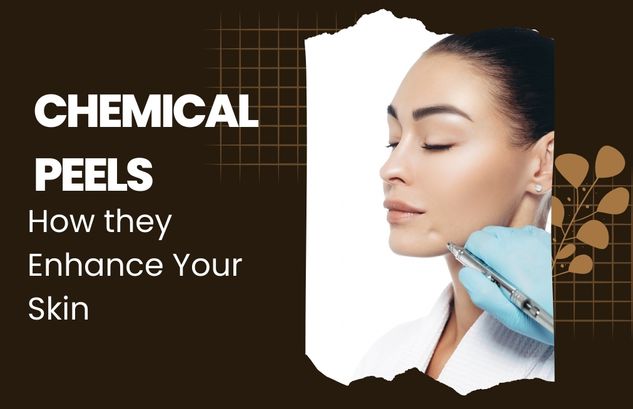
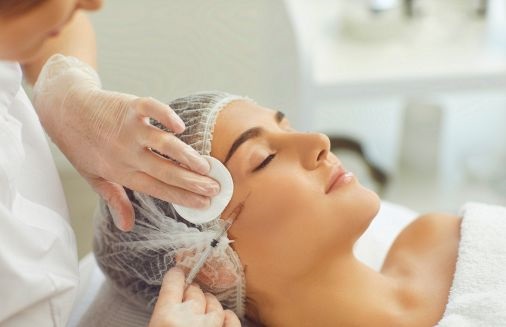
Chemical peels help exfoliate the top skin layer, removing pigmented cells and promoting new skin growth. They are particularly effective for superficial melasma.
At Dermasure Clinic, peels are customised based on skin sensitivity and pigmentation severity to ensure safe and controlled results.
3. Laser Treatment
Laser therapy is one of the most advanced options for deeper pigmentation. It works by targeting melanin deposits and breaking them down without harming surrounding tissue.
Dr. Shirin Bakshi carefully selects laser settings to avoid over-treatment, as melasma requires a gentle and gradual approach.
4. Skin Brightening & Rejuvenation Therapies
These treatments improve overall skin tone and enhance the effects of other procedures. They focus on hydration, repair, and strengthening the skin barrier.
5. Combination Therapy Approach
For best results, melasma is often treated using a combination of therapies rather than a single method. This approach ensures:
- Better pigment reduction
- Lower recurrence risk
- Improved skin health
Dermasure Clinic follows a customised combination strategy, making it a reliable choice for those seeking the best melasma treatment on face.
Importance of Sun Protection in Melasma Treatment
Sun protection is the most critical step in managing melasma. Without proper sun care, even the best treatments may fail.
Essential precautions include:
- Daily use of broad-spectrum sunscreen
- Avoiding peak sun hours
- Wearing protective clothing
- Reapplying sunscreen regularly
Dr. Shirin Bakshi strongly emphasises sun protection as part of every melasma treatment plan at Dermasure Clinic.
Why Choose Dermasure Clinic for Melasma Treatment?
Dermasure Clinic is recognised for its advanced approach to pigmentation management. Patients benefit from:
- Expert diagnosis by Dr. Shirin Bakshi
- Personalised treatment plans
- Use of advanced dermatology technologies
- Safe and gradual treatment protocols
- Focus on long-term skin health
This patient-centric and scientific approach ensures effective management of melasma with minimal risk.
Can Melasma Be Completely Cured?
Melasma is a chronic condition that can be controlled effectively but may not always be permanently cured. With the right treatment and maintenance, pigmentation can be significantly reduced and kept under control.
Regular follow-ups and adherence to skincare routines play a vital role in maintaining results.
Conclusion
Melasma is a complex but manageable skin condition that requires a strategic and personalised approach. Choosing the best melasma treatment on face involves understanding its causes, type, and severity. With expert care at Dermasure Clinic and the guidance of Dr. Shirin Bakshi, patients can achieve significant improvement in pigmentation and overall skin clarity. A combination of advanced treatments, proper skincare, and sun protection ensures long-term control and healthier, more radiant skin.
FAQs
1. What is the best melasma treatment on the face?
Ans. The best treatment includes a combination of topical medications, chemical peels, and laser therapy under expert supervision.
2. Can melasma go away on its own?
Ans. In some cases, mild melasma may fade, but most cases require professional treatment.
3. Is laser treatment safe for melasma?
Ans. Yes, when performed carefully by a dermatologist like Dr. Shirin Bakshi, it is safe and effective.
4. How long does it take to see results?
Ans. Results vary, but improvement is usually visible within a few weeks to months depending on the treatment plan.
5. Does sunscreen help in treating melasma?
Ans. Yes, sunscreen is essential to prevent worsening and support treatment results.